

Nationwide LTL & FTL Trucking: Your Complete Guide to Refrigerated, Flatbed & Dry Van Freight Services

Refrigerated Trucking Service, Flatbed, Dry Van & LTL Freight: Every Question Answered by WCCT
May 1, 2026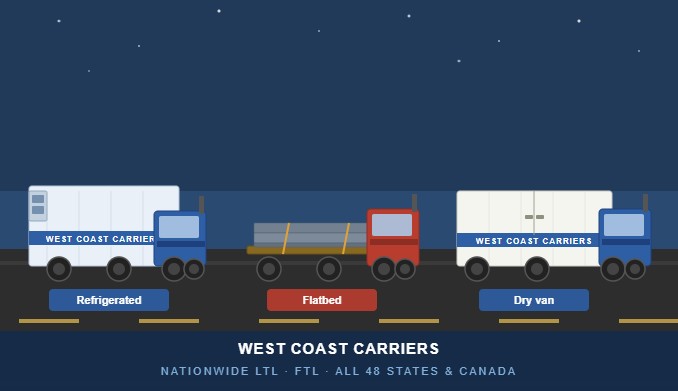
Nationwide LTL & FTL Trucking: Your Complete Guide to Refrigerated, Flatbed & Dry Van Freight Services
West Coast Carriers (WCCT) is a full truckload LTL carrier serving all 48 contiguous U.S. states and major Canadian cities including Toronto, Vancouver, Calgary, and Montreal. We offer six core service types: Refrigerated FTL, Refrigerated LTL, Flatbed FTL, Flatbed LTL, Dry Van FTL, and Dry Van LTL. Shippers, manufacturers, cold storage facilities, distribution centers, freight forwarders, and government traffic managers all rely on WCCT every day.
This guide answers the 25 most-searched freight shipping questions. Furthermore, each section covers equipment types, costs, regulations, and service details. Consequently, whether you are new to freight or a seasoned logistics professional, this resource gives you the answers you need to make confident shipping decisions.
Explore All WCCT Freight Services
FreightWaves — Freight Industry News
Part One: Freight Costs & Quoting
Q1. What Is the Cheapest Way to Ship Freight?
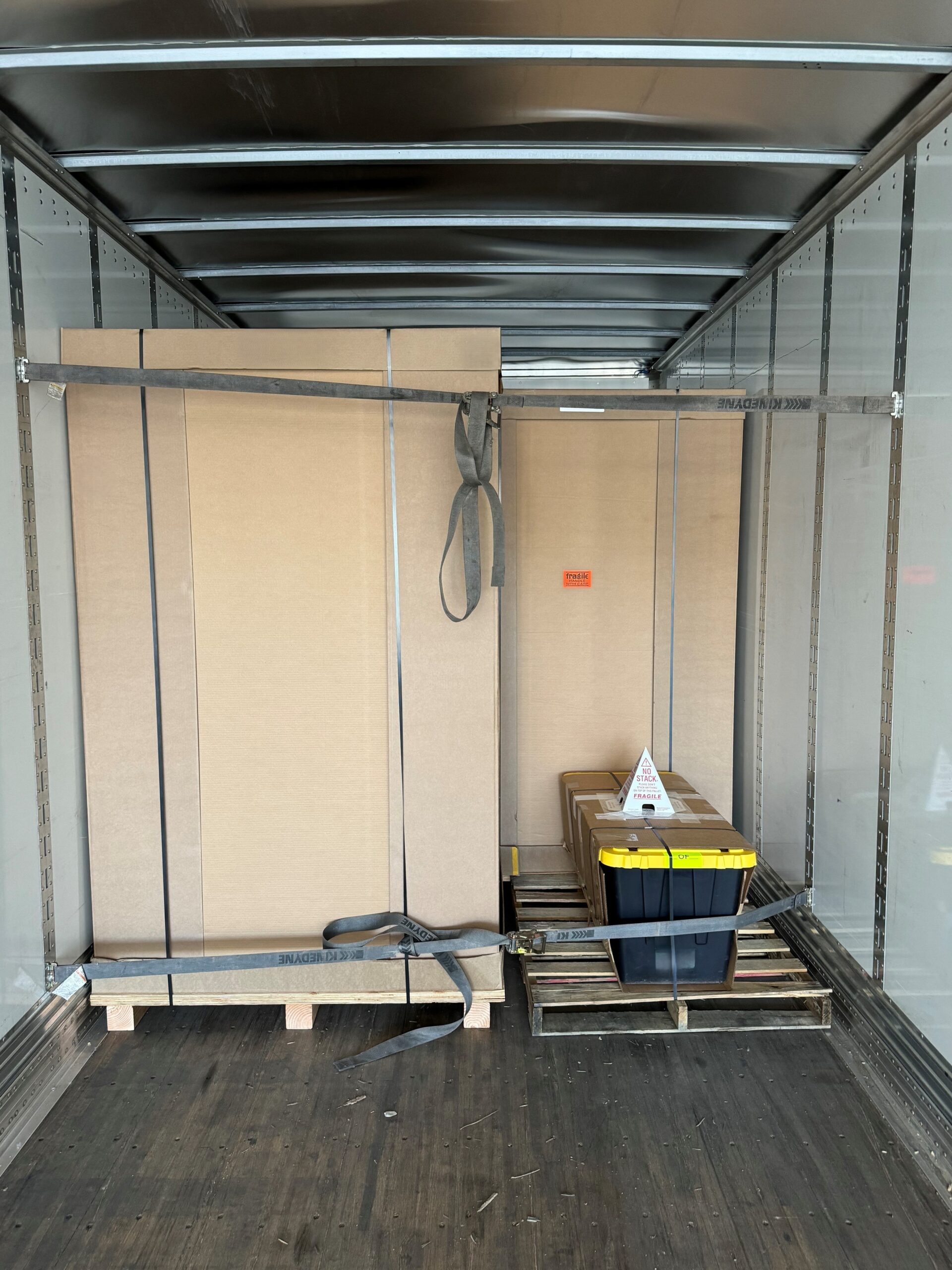
LTL pallet consolidation, multiple shippers share one trailer and split the cost
Cutting freight costs is a top goal for every shipper. Specifically, Less-Than-Truckload (LTL) shipping is often the best way to save money. With LTL, multiple shippers share one trailer. Consequently, each shipper pays only for the space they use. Moreover, working with an asset-based carrier like WCCT saves money in another important way — we cut out broker markups entirely.
Additionally, building contract lanes instead of relying on spot market loads lowers your rates over time. Furthermore, grouping shipments into larger loads reduces the cost per pallet. As a result, our nationwide LTL trucking network covers every U.S. state and major Canadian cities. Therefore, shippers who partner with WCCT consistently report lower total freight costs than those using brokers.
WCCT LTL Trucking Services — Dry, Reefer & Flatbed
FreightWaves — Understanding LTL Pricing
Q2. How Do I Get a Freight Shipping Quote?
Getting a freight quote from WCCT is fast and straightforward. Simply share your origin and destination ZIP codes. Then add your freight type, total weight, dimensions, and pallet count. Subsequently, our team builds a clear, competitive rate with no hidden fees. Moreover, we never add surprise surcharges or broker markups to your invoice.

Importantly, WCCT serves all 48 contiguous states and major Canadian cities. Therefore, whether your load moves from Los Angeles to New York or from Seattle to Toronto, we have the coverage. Furthermore, traffic managers and procurement teams value our contract lane options. Consequently, these lanes help you plan freight budgets with confidence quarter after quarter.
Part Two: Understanding LTL vs. FTL Shipping
Q3. What Is LTL Shipping and How Does It Work?
Less-Than-Truckload (LTL) shipping lets multiple shippers share one trailer. Specifically, each shipper pays only for their portion of space. Furthermore, LTL works best for shipments of 1 to 12 pallets. As a result, it is a smart, budget-friendly option for businesses that do not fill a full trailer on every load.
At WCCT, our full truckload LTL carrier network covers three equipment types: Dry Van LTL, Refrigerated LTL, and Flatbed LTL. Additionally, we serve every U.S. state and major Canadian cities. Freight forwarders trust our LTL network for real accountability. Moreover, government traffic managers value our FMCSA credentials and public safety record. Consequently, every LTL shipment gets the same professional care as a full truckload.
WCCT LTL Trucking — Dry, Reefer & Flatbed
NMFTA — National Motor Freight Traffic Association
Q4. What Is the Difference Between LTL and FTL Shipping?
WCCT offers both nationwide LTL FTL trucking options across Dry Van, Refrigerated, and Flatbed. LTL and FTL serve different shipping needs. Essentially, LTL shares trailer space among many shippers. However, FTL gives one shipper the entire trailer. As a result, FTL moves freight faster. Specifically, drivers make no stops to load or unload other freight along the route.
FTL is typically the better value for loads of 20 or more pallets. Additionally, it makes sense when freight exceeds 20,000 lbs. Conversely, LTL saves money on smaller, more frequent loads. Therefore, WCCT operates as a full truckload LTL carrier across Dry Van, Refrigerated, and Flatbed. Consequently, you can pick the right mode for each shipment without switching carriers.
Full Truckload vs. LTL — WCCT Service Options
C.H. Robinson — LTL vs. FTL Guide
Q5. How Much Does It Cost to Ship a Pallet?
Pallet shipping costs depend on several factors. Specifically, freight class, weight, dimensions, lane distance, and season all play a role. Generally, LTL pallet rates across U.S. lanes range from $100 to $1,000+. Furthermore, temperature-controlled pallets cost 15–25% more than dry van pallets. The extra cost reflects reefer fuel and equipment requirements.
Consequently, WCCT gives you clear, all-in pricing with no surprise charges. Moreover, our team helps you classify freight correctly from the start. Otherwise, wrong classification leads to costly invoice adjustments after delivery. Additionally, shippers on contract lanes with WCCT report lower per-pallet costs over time. Therefore, stable contract rates beat the spot market for budget planning every time.
Contact WCCT for Competitive Pallet Rates
NMFTA — Freight Class Calculator
Part Three: Dry Van Trucking Explained
Q6. What Is Dry Van Trucking?
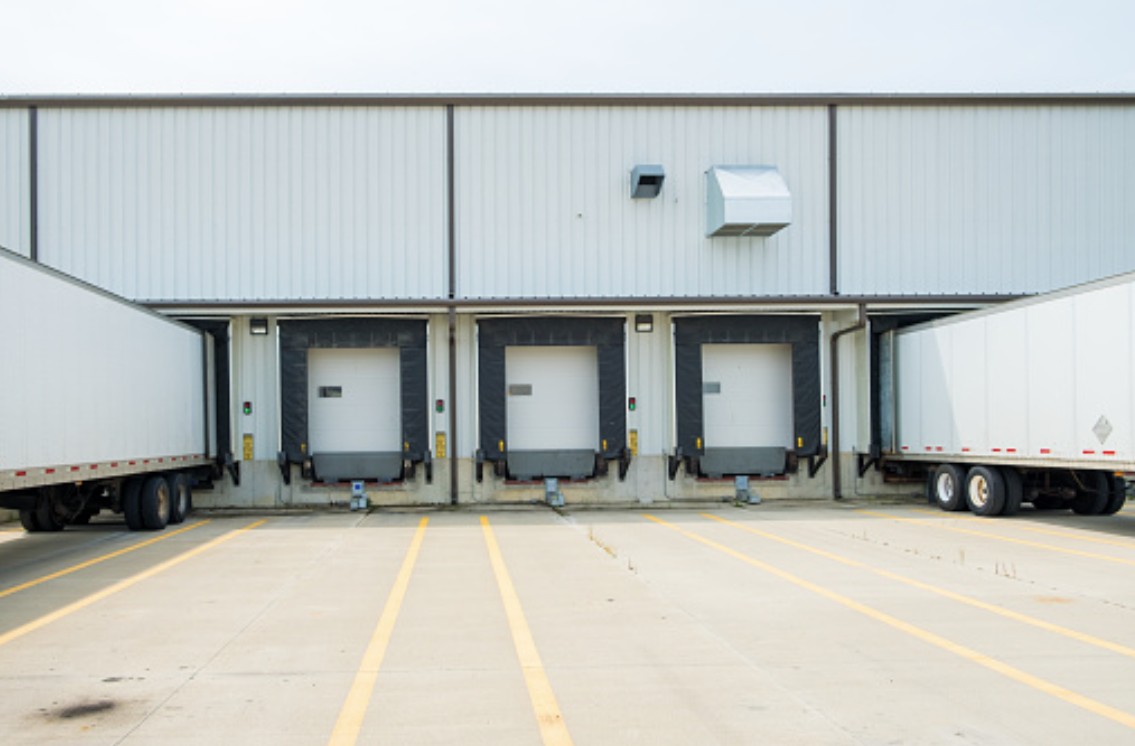
Dry van trucking is the most common freight method in the United States. Specifically, a dry van is a fully enclosed, weatherproof trailer — typically 53 feet long. Moreover, it carries general freight that needs no temperature control. Common loads include boxed goods, electronics, clothing, auto parts, and retail products.
Furthermore, WCCT’s dry van fleet serves every U.S. state and major Canadian cities as an active asset-based carrier. Enclosed trailers also protect cargo from rain, road debris, and theft. This matters especially for high-value goods. Therefore, whether you need a full dry van truckload or an LTL dry van load, WCCT delivers on time and at a fair price.
American Trucking Associations — Industry Overview
Q7. How Many Pallets Fit in a Dry Van Trailer?
A 53-foot dry van trailer holds up to 26 standard pallets when single-stacked. Alternatively, double-stacking compatible freight allows up to 52 pallets. Standard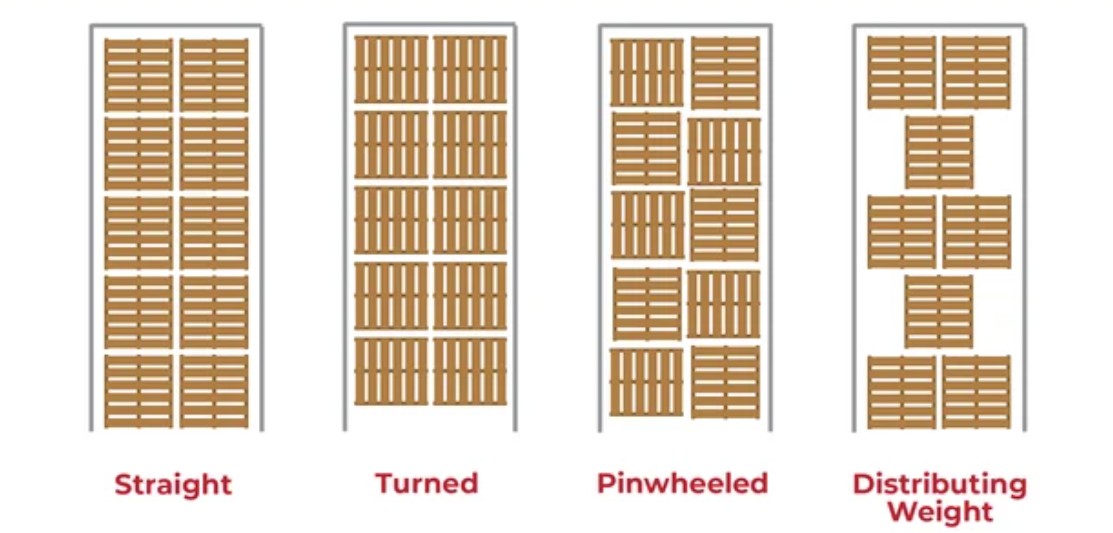 pallets are 40″ x 48″ and support up to 2,000 lbs each when stacked. Additionally, the total payload limit for a dry van is roughly 44,000–45,000 lbs under federal regulations.
| Configuration | Pallet Capacity | Max Payload |
| Single-stacked (53 ft) | 26 pallets | ~45,000 lbs |
| Double-stacked (53 ft) | Up to 52 pallets | ~45,000 lbs |
| LTL partial load | 1–12 pallets | Proportional |
For LTL dry van shipments, WCCT consolidates multiple shippers into one trailer. Consequently, each shipper pays only for their space. As a result, manufacturers and distribution centers that ship partial loads benefit most from this model. Moreover, every load gets professional handling on all U.S. routes and into major Canadian distribution hubs.
Dry Van Trailer Capacity & Service — WCCT
FMCSA — Federal Weight & Size Regulations
Q8. How Do I Find a Reliable Full Truckload LTL Carrier?
Finding a trusted full truckload LTL carrier takes careful research. First and foremost, check FMCSA operating authority and safety ratings. Both are public records. Additionally, verify them at safer.fmcsa.dot.gov. Furthermore, confirm the carrier has proper insurance and transparent pricing. On-time delivery records matter equally.
| Evaluation Criteria | Minimum Standard |
| FMCSA Safety Rating | Satisfactory — verify at FMCSA SAFER System |
| Operating Authority | Active MC Number + USDOT Number |
| Cargo Insurance | Minimum $100,000 |
| Liability Insurance | Minimum $750,000 |
| Coverage Area | Nationwide U.S. + Canadian metro service |
| Pricing | No hidden fees; fuel surcharges shown upfront |
| Experience | Verifiable track record with references |
WCCT meets every standard above. Specifically, our team has over 60 years of combined industry experience. Furthermore, our safety record is fully public. Consequently, government traffic managers and GSA procurement officers will find our documents ready upon request.
About West Coast Carriers — Experience & Coverage
Part Four: Refrigerated Freight Shipping
Q9. What Is Refrigerated Freight Shipping (Reefer Trucking)?
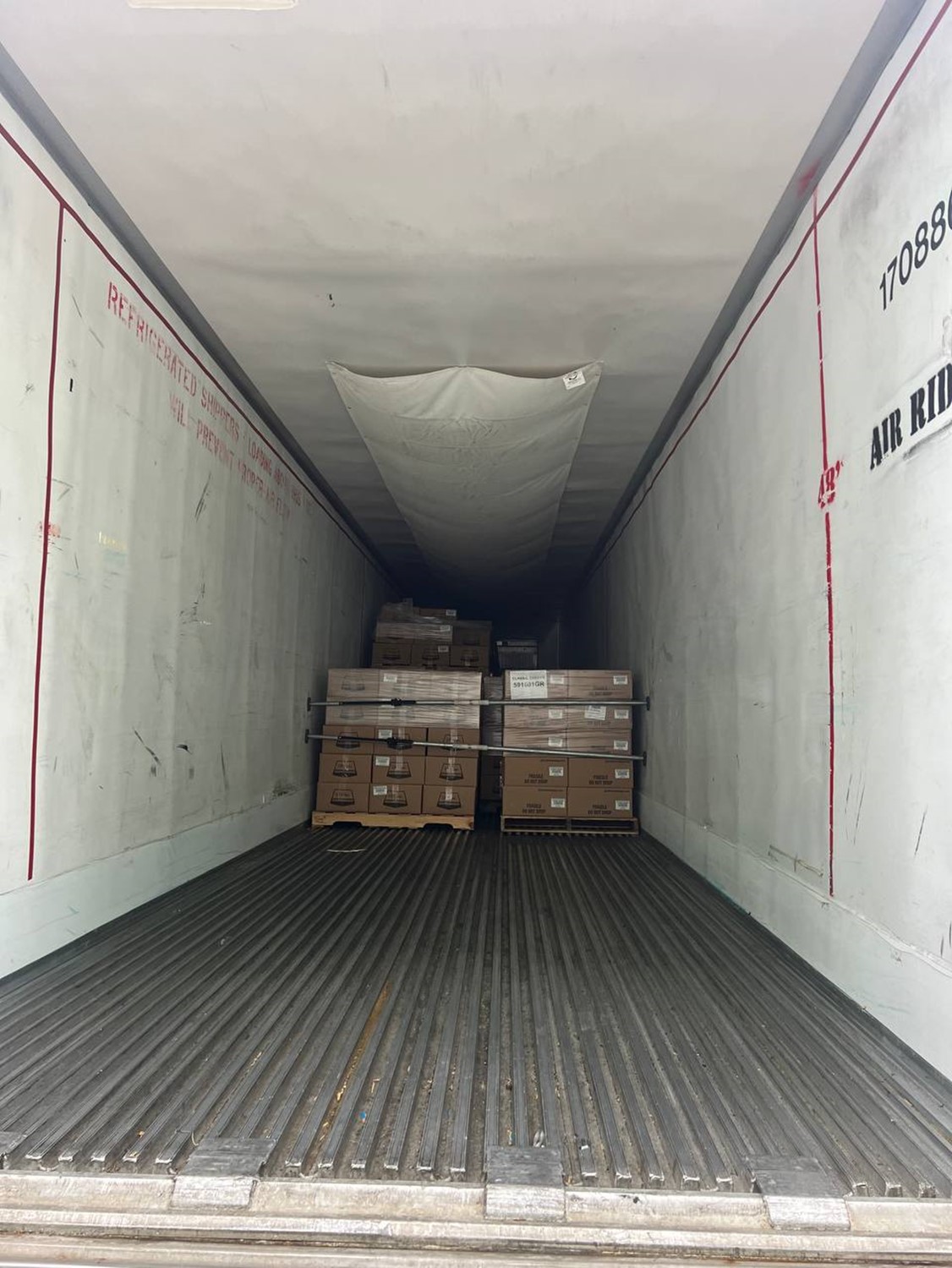
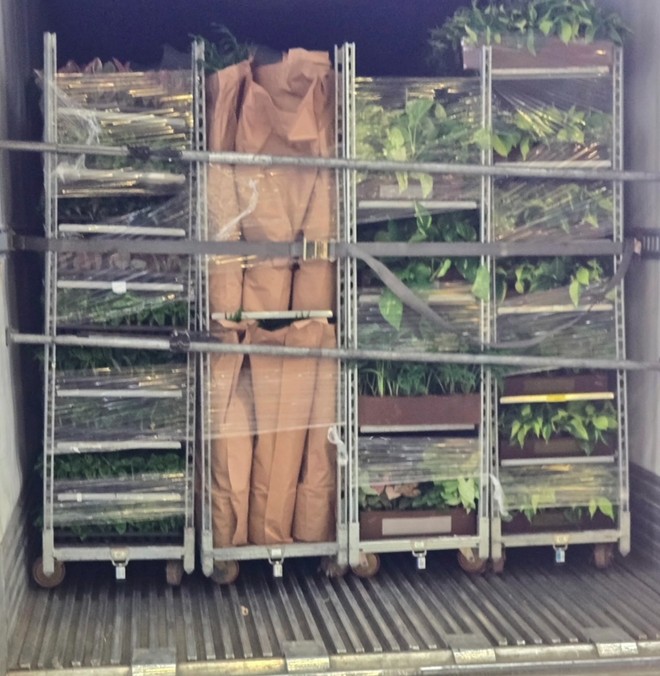
Inside 53′ Refrigerated LTL Trailer with nationwide services
Refrigerated freight shipping is also known as reefer trucking. Specifically, it uses trailers with built-in cooling units that keep cargo at a set temperature throughout transit. Furthermore, these units can hold temperatures from -20°F to +70°F. As a result, reefer trailers are essential for perishable and temperature-sensitive goods. Common loads include fresh produce, dairy, meats, seafood, frozen foods, beverages, wine, flowers, and pharmaceuticals.
At WCCT, our refrigerated fleet uses advanced temperature logging on every run. Moreover, our drivers complete the FDA-required Food Safety for Carriers training. Consequently, we stay fully in line with FSMA Sanitary Transportation rules. Therefore, cold storage facilities, food makers, and drug distributors all rely on WCCT for nationwide refrigerated LTL and FTL coverage.
WCCT Refrigerated LTL & FTL Services
FDA — FSMA Sanitary Transportation Rule
Q10. What Types of Freight Require Refrigerated Shipping?
Many product types need cold chain transport. Without it, product quality drops and safety rules get violated. Specifically, fresh fruits and vegetables need tight temperature control. Similarly, dairy products, eggs, meat, and poultry all require reefer service. Furthermore, seafood, frozen desserts, juices, wine, flowers, pharmaceuticals, and certain chemicals qualify as well.
Notably, WCCT offers multi-temperature LTL reefer service. This lets frozen and chilled goods travel in the same trailer. Specifically, bulkheads divide the trailer into separate temperature zones. Consequently, cold storage operators and food distributors can consolidate mixed loads on the same run. Additionally, our refrigerated network spans all 48 states and Canadian cities including Toronto, Vancouver, and Calgary.
Refrigerated LTL — WCCT Cold Chain Services
GCCA — Global Cold Chain Alliance
Q11. How Much Does Refrigerated Trucking Cost?
Reefer rates generally run 15–25% higher than dry van rates. Specifically, this premium reflects the extra cost of the cooling unit, fuel, and upkeep. Furthermore, reefer units burn roughly 0.5 to 1 gallon of diesel per hour on their own. Additionally, costs vary by lane, load size, required temperature range, and current market conditions.
Nevertheless, WCCT keeps reefer rates competitive without cutting corners on service or safety. Moreover, we offer both FTL and LTL reefer options. As a result, you pay only for the space you use. Therefore, pharmaceutical shippers and food companies do not need to reserve a full trailer when a partial load will do. Contact us today for a clear, no-obligation refrigerated freight quote.
Get a Refrigerated Freight Quote — WCCT
DAT Freight — Reefer Rate Trends
Q12. What Temperature Does a Refrigerated Truck Maintain?
Reefer trailers can hold temperatures from -20°F to +70°F. Specifically, the correct setting depends on the product. Furthermore, different commodities have different cold chain requirements.
| Commodity | Required Temperature Range |
| Frozen desserts / Ice cream | 0°F to 10°F |
| Meat & Poultry | 28°F to 32°F |
| Fresh Produce | 32°F to 38°F |
| Dairy Products | 34°F to 38°F |
| Pharmaceuticals | 36°F to 46°F (varies by product) |
| Wine & Beverages | 45°F to 65°F |
WCCT’s reefer fleet logs temperature data on every run. Furthermore, alerts go to drivers the moment any reading drifts out of range. Consequently, corrective action happens right away — not after the fact. Additionally, our multi-temp trailer setup lets frozen and chilled loads ride together safely. Therefore, every load gets full cold chain documentation for FDA compliance.
WCCT Multi-Temperature LTL Services
FDA — Cold Storage Guidelines for Perishable Foods
Q13. What Certifications Should a Refrigerated Carrier Have?
Reefer carriers must meet strict FDA standards. Specifically, the key rule is the FSMA Sanitary Transportation Rule (21 CFR Part 1, Subpart O). This covers temperature control, vehicle hygiene, driver training, and record keeping. Furthermore, all drivers must complete the FDA Food Safety for Carriers Awareness Module.
WCCT meets all FDA requirements fully. Additionally, our safety record is public on the FMCSA SAFER System. Moreover, every WCCT reefer driver is trained before operating any temperature-controlled equipment. As a result, drug distributors, food makers, and cold storage operators trust us to protect their products from pickup to delivery.
Why Choose WCCT for Refrigerated Freight
FDA FSMA Sanitary Transportation Final Rule
Part Five: Flatbed Trucking Explained
Q14. What Is Flatbed Trucking Used For?
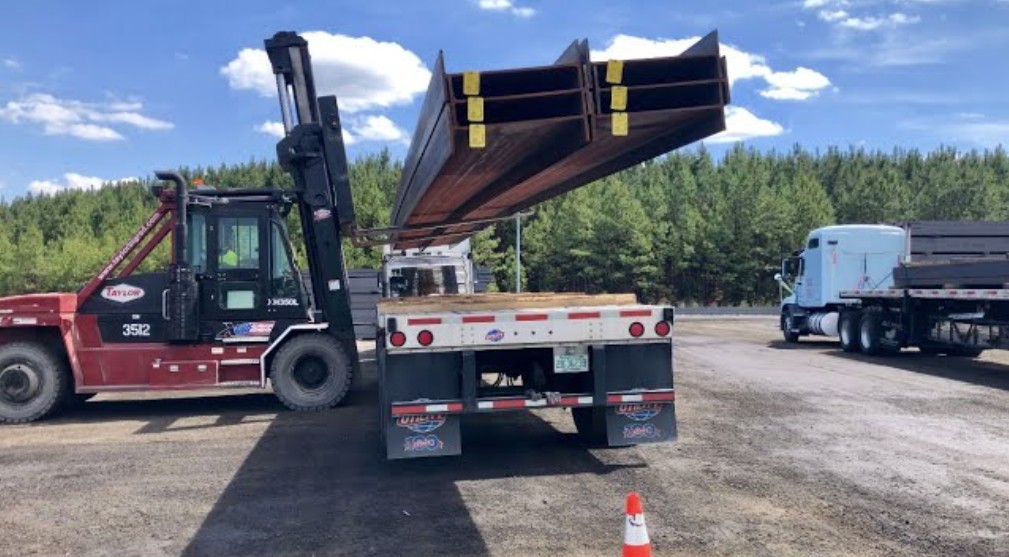
A WCCT flatbed trailer loaded with steel beams secured with straps and chains
Flatbed trucking moves freight that does not fit in an enclosed trailer. Specifically, this includes large, heavy, or irregularly shaped loads. Furthermore, flatbed trailers have no sides or roof. As a result, cargo can load from the top, sides, or rear using cranes, forklifts, or heavy equipment. Common flatbed loads include steel beams, lumber, machinery, farm equipment, and large pipes.
WCCT offers flatbed service in both FTL and LTL setups. Moreover, our team secures and tarps every load to meet DOT standards. Consequently, government agencies, construction companies, and industrial manufacturers all depend on us for open-deck freight. Additionally, our coverage spans all 48 U.S. states and major Canadian cities. Therefore, even the most complex flatbed loads arrive safely and on time.
WCCT Flatbed LTL & FTL Services
FMCSA — Cargo Securement Rules
Q1 5. How Do I Ship High-Weight or Oversized Freight?
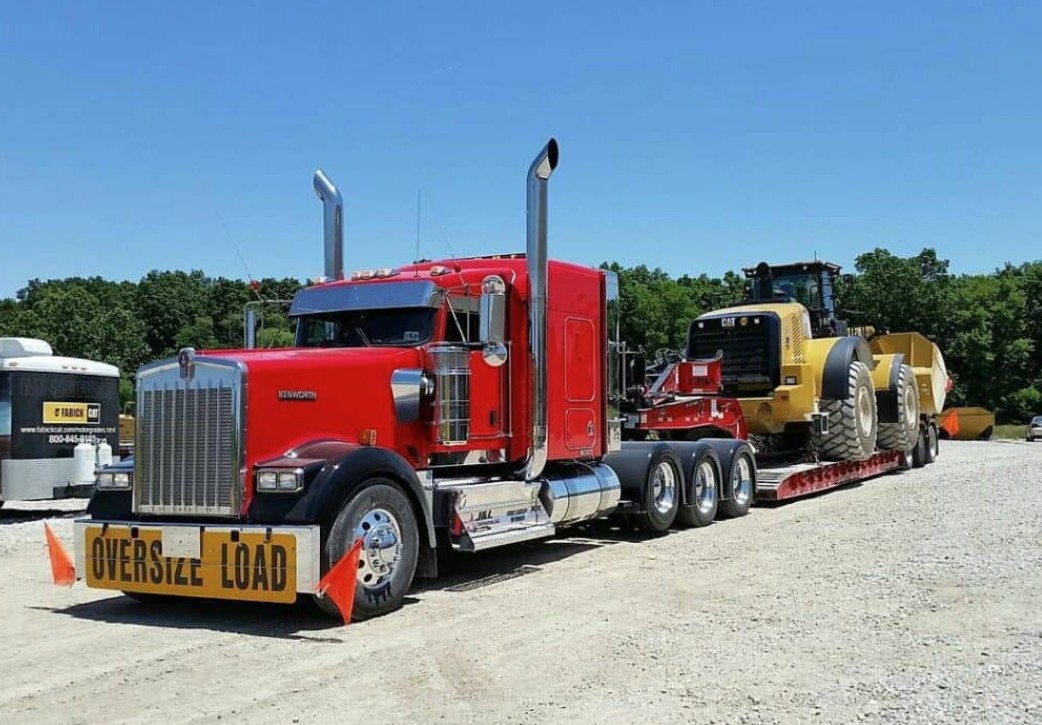 Loads that carry excess weight or exceed legal dimensions need special handling. Specifically, loads over 8’6″ wide, 13’6″ tall, 53 feet long, or 80,000 lbs gross weight require state permits. Furthermore, some loads also need pilot cars and may travel only during daylight hours. Additionally, route planning is critical for bridges and overpasses along the path.
| Load Type | Typical Permit Requirement |
| High weight or excess-weight load (up to 120k lbs) | Multi-axle permit per state |
| Very high weight load (120,000+ lbs) | Superload permit — varies by state |
| Over-width (8’6″–12′) | Single state permit per state crossed |
| Over-width (12’+) | Pilot vehicle required in most states |
| Over-height (13’6″+) | Route survey + state permit |
WCCT handles all permit work for excess-weight and oversized flatbed loads. Additionally, we set up pilot cars and run full route surveys. Consequently, contractors and project managers can stay focused on the job. Moreover, whether your load needs a standard flatbed, step-deck, or lowboy, our team builds the right plan from the start.
Contact WCCT for Oversized Flatbed Freight
FHWA — Oversize & Heavy Vehicle Permits
Q16. What Is the Difference Between a Flatbed and a Step Deck Trailer?
Flatbed and step-deck trailers are both open-deck equipment. However, they handle different load heights. Specifically, a standard flatbed deck sits about 48 inches off the ground. It works well for freight up to 8’6″ tall. Alternatively, a step-deck trailer (also called a drop-deck) has a lower rear section that sits at 34–36 inches.
Therefore, step-decks are ideal for loads that are slightly over the standard flatbed height limit. Additionally, WCCT advises every shipper on the right trailer for their load at no charge. Furthermore, our team handles all permits and load planning. Consequently, every open-deck shipment moves safely and in full compliance with DOT rules.
WCCT Flatbed Freight Solutions
OOIDA — Flatbed Load Securement Guide
Q17. How Does Flatbed LTL Shipping Work?
Flatbed LTL combines open-deck equipment with cost-sharing. Specifically, multiple shippers share one flatbed trailer. Each shipper pays only for the space their freight occupies. As a result, this saves money on construction materials, machine parts, and industrial equipment. Furthermore, you do not need to fill an entire trailer to get professional open-deck service.
WCCT is one of the few full truckload LTL carrier provider with an extensive Flatbed LTL network. Moreover, our team manages the complexities of mixed open-deck loads. Consequently, we maintain full DOT securement standards on every shipment. Additionally, our Flatbed LTL network spans all 48 U.S. states and connects with major Canadian cities. Therefore, businesses of all sizes get professional flatbed service without full-truck costs.
WCCT Flatbed LTL Services — Nationwide
DAT Analytics — Flatbed Freight Market
Part Six: Freight Classification & Rates
Q18. What Freight Class Do I Need for My LTL Shipment?
Freight class is a system that sets LTL rates. Specifically, the NMFTA created and manages this system. Classes run from Class 50 to Class 500. Furthermore, Class 50 is the lowest rate and applies to dense, durable goods. Conversely, Class 500 applies to light, fragile items. Additionally, four factors set your class: density, stowability, ease of handling, and liability risk.
Wrong classification leads to invoice adjustments after delivery. Consequently, these surprise charges are costly and entirely avoidable. Therefore, working with WCCT ensures correct classification every time. Moreover, our team assists shippers, traffic managers, and procurement teams across all LTL types — Dry Van, Refrigerated, and Flatbed.
WCCT LTL Freight — All Classes Covered
NMFTA — Freight Classification System
Q19. What Is the Average Cost Per Mile for Trucking?
Rates for a full truckload LTL carrier vary by equipment type, lane, fuel price, and market demand. Trucking rates per mile vary by equipment type, lane, fuel price, and market demand. Generally, dry van FTL averages $2.00–$3.50 per mile. Furthermore, reefer FTL typically runs $2.50–$4.50 per mile. Additionally, flatbed FTL falls between $2.50 and $4.00 per mile. Consequently, LTL rates use different pricing models based on freight class, weight, or linear feet.
| Equipment Type | Average Rate Per Mile (2026) |
| Dry Van FTL | $2.00 – $3.50 |
| Refrigerated / Reefer FTL | $2.50 – $4.50 |
| Flatbed FTL | $2.50 – $4.00 |
| Dry Van LTL | Priced per cwt / freight class |
| Refrigerated LTL | Priced per cwt + temperature surcharge |
| Flatbed LTL | Priced per linear foot / weight |
Fuel surcharges apply on top of base rates. Moreover, they change weekly based on the EIA diesel average. At WCCT, all pricing is transparent and fully disclosed upfront. Additionally, shippers on contract lanes get stable rates and locked-in capacity. Therefore, this is especially valuable for distribution centers, manufacturers, and government freight programs.
Get a Competitive Freight Rate from WCCT
EIA — Weekly Diesel Fuel Price Tracker
Q20. How Do Fuel Surcharges Affect My Freight Rates?
Fuel surcharges (FSC) are added to every freight invoice. Specifically, they move up or down each week based on the national diesel price. Furthermore, most carriers use the EIA Weekly Retail On-Highway Diesel Price as the index. Additionally, the surcharge offsets sudden fuel cost swings for both carriers and shippers.
Reefer loads carry a higher FSC. Specifically, this is because reefer units burn diesel on their own — roughly 0.5 to 1 gallon per hour. Nevertheless, at WCCT all surcharges are shown in every quote upfront. Consequently, traffic managers and procurement teams always know the full cost before they commit. Moreover, contract shippers also get better rate stability compared to the spot market.
Transparent Freight Pricing — WCCT
EIA — Weekly Diesel Retail Prices
Part Seven: Tracking, Compliance & Equipment
Q21. Can I Track My Freight Shipment in Real Time?
Proactive tracking is a must for modern shippers. WCCT provides customers full transparency on every full truckload LTL carrier shipment throughout transit.. Specifically, you are kept aware of your freight at every stage of the move. Furthermore, reefer loads include continuous temperature logs. As a result, this meets FDA FSMA cold chain record-keeping rules completely.
Beyond tracking , our customer service team sends proactive updates throughout the shipment. Consequently, whether your freight moves across U.S. lanes or into Canada, you stay informed at every step. Moreover, distribution centers, cold storage operators, and government freight offices all get the same attentive service on every WCCT shipment.
Contact WCCT — Shipment Tracking & Customer Service
FreightWaves — Supply Chain Visibility
Q22. What Is the Maximum Payload Weight for a Dry Van Trailer?
Federal law sets the max gross vehicle weight (GVW) at 80,000 lbs for a standard five-axle truck. Specifically, this limit is defined under 23 U.S.C. § 127. Of that total, a 53-foot dry van carries about 44,000–45,000 lbs of freight. Furthermore, loads that go above the legal limit need state permits. Consequently, these add cost and extra lead time to any move.
At WCCT, every dry van shipment loads within legal weight limits. This protects both your freight and our drivers. Additionally, high-density shippers can explore flatbed or step-deck trailer options. Moreover, our freight specialists match you with the right equipment on every lane. Therefore, carriers that run legal consistently protect both shippers and the public road system.
WCCT Dry Van & Flatbed Equipment Options
FMCSA — Federal Size & Weight Limits
Q23. Is a Trucking Company Required to Be Licensed and Insured?
Yes, every motor carrier in the U.S. must hold an active FMCSA MC Number and USDOT Number. Specifically, this is required under 49 CFR Parts 365 and 387. Furthermore, cargo insurance must be at least $100,000. Additionally, liability insurance ranges from $750,000 to $5,000,000 depending on freight type. Therefore, always verify credentials at safer.fmcsa.dot.gov before tendering any load.
WCCT holds full FMCSA operating authority and comprehensive insurance across all service types. Moreover, our safety record is public and always current. Consequently, government agencies under FAR 47 and GSA schedule rules will find our credentials complete and ready. Additionally, shippers who vet their carriers avoid costly claims and compliance problems.
Q24. How Do I Ship Building Materials or Construction Equipment?
Building materials and construction equipment need flatbed, step-deck, or lowboy trailers. Specifically, load type drives the equipment choice. Common flatbed loads include steel beams, lumber, rebar, roofing materials, concrete forms, and heavy machines. Moreover, freight that carries excess weight often needs state permits and pilot cars.
WCCT provides flatbed FTL and Flatbed LTL services built for the construction sector. Additionally, our team handles all permits, route surveys, and pilot car setups. Consequently, general contractors, project managers, and government infrastructure teams can focus on the job site. Furthermore, our nationwide flatbed network covers all 48 states and major Canadian cities. Therefore, WCCT handles the road so you can focus on the project.
WCCT Flatbed & Heavy Freight Services
Associated General Contractors of America
Q25. What Are the Key Questions to Ask Before Hiring a Trucking Company?
Picking the right carrier is one of the most important supply chain decisions your team makes. Therefore, ask these questions before tendering any freight to any carrier:
| ? Does the carrier have active FMCSA authority and a satisfactory safety rating? |
| ? What equipment types does the carrier own and operate? |
| ? Does the carrier cover all 48 U.S. states and Canada? |
| ? How does the carrier handle freight claims and service failures? |
| ? What are the carrier’s verified on-time delivery rates? |
| ? Does the carrier offer real-time shipment tracking and temperature logs? |
| ? Are fuel surcharges and all fees shown in the quote before booking? |
| ? How long has the carrier been in business — and can they provide references? |
| ? Is the carrier FSMA compliant for temperature-sensitive freight? |
WCCT answers every one of those questions with full confidence. Specifically, our record is public, our pricing is clear, and our team is always available. Furthermore, businesses trust WCCT as their full truckload LTL carrier across every U.S. state and major Canadian city. Therefore, we serve every U.S. state and most major Canadian cities. That is the WCCT promise.
Partner With West Coast Carriers Today
FMCSA — Carrier Safety Ratings Explained
Conclusion: Your Trusted Nationwide Freight Partner — West Coast Carriers
This guide covered the 25 most-searched freight shipping questions across all WCCT service types. Specifically, providing services of a full truckload LTL carrier is what we do every day.”. Furthermore, from Refrigerated FTL to Flatbed LTL to Dry Van FTL, WCCT handles it all. Consequently, every answer here reflects our commitment to clear pricing, full compliance, and reliable service.
WCCT serves all 48 contiguous U.S. states and major Canadian cities — including Toronto, Vancouver, Calgary, Montreal, Ottawa, and Edmonton. Moreover, our team has over 60 years of combined industry experience. Therefore, we bring that knowledge to every shipment, big or small, across every lane we serve.
Whether you are a first-time shipper or a seasoned traffic manager, WCCT is ready to help. Additionally, cold storage facilities, government agencies, freight forwarders, and distribution centers all get the same high standard of service. Consequently, reach out today and find out why so many businesses trust West Coast Carriers as their go-to nationwide freight partner.
| Ready to Ship With West Coast Carriers? | ||
| Get a Free Freight Quote | Explore LTL Services |
About West Coast Carriers |
